All peptides we offer are expressly described as „Research Chemical – exclusively for research purposes“ labelled and may be used solely for research and development purposes and are not intended in any form for human or animal use.
We drive out all common and established peptides, which are relevant in research and biohacking‑community. Peptides for which there is no reliable data or no comprehensible benefit gives, we consciously take not into our range on.
Below you will find a selection of the most common peptides. By clicking on the respective image you will receive further information including a brief description of their typical areas of application in research.
A complete overview of all peptides we keep is on request exclusively through our Sales Associates available.
Description
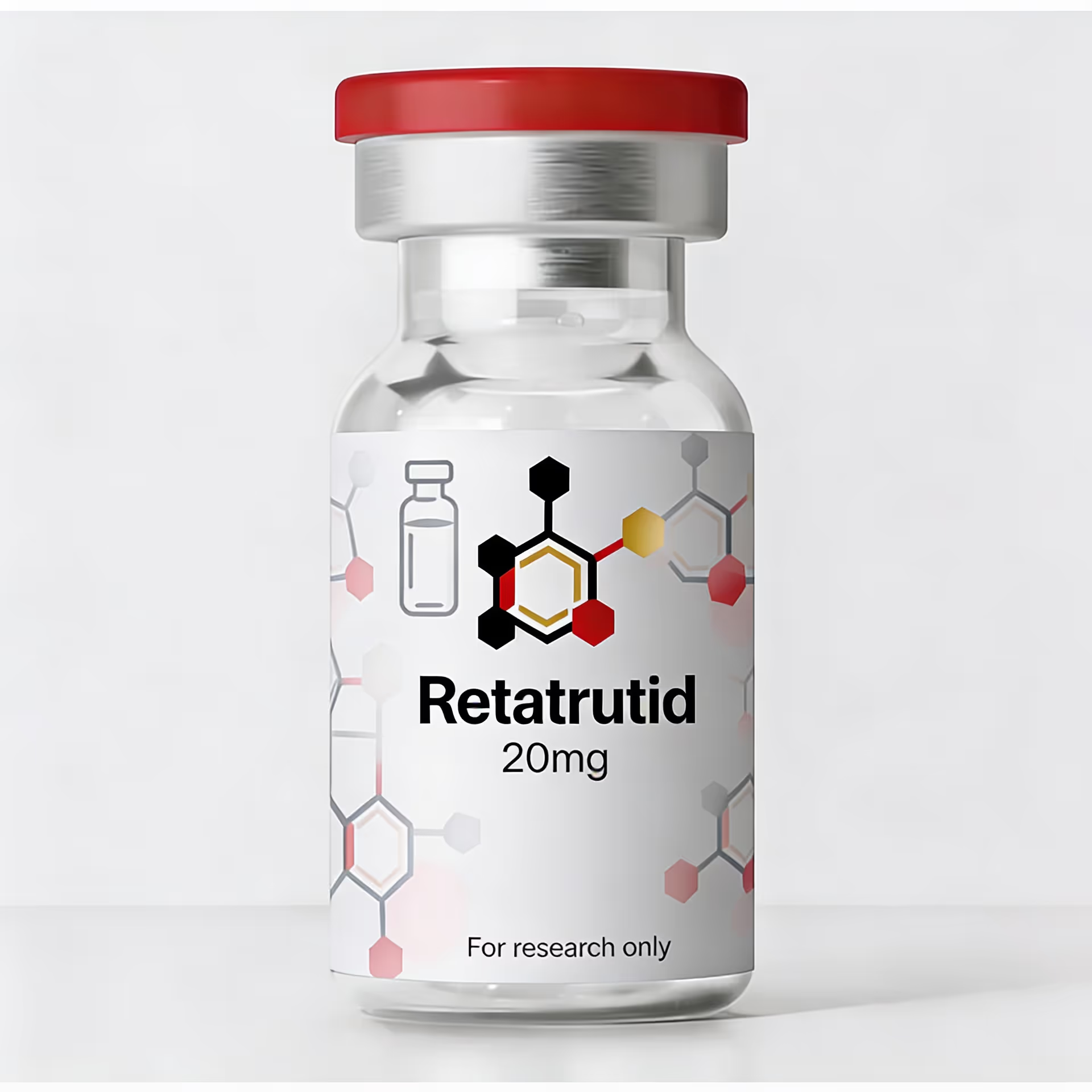
Retatrutide is used as modern triple agonist (GLP-1, GIP and glucagon receptor) researches and aims to significantly dampen appetite and at the same time „switch on“ metabolism.
Study programs focus primarily on strong weight management, accompanied by improvements in blood glucose and cardiometabolic markers. Due to the glucagon content, a potential push in energy expenditure is also being discussed – an approach that makes Retatrutide particularly exciting in the performance and body composition context.
Known combinations
Description
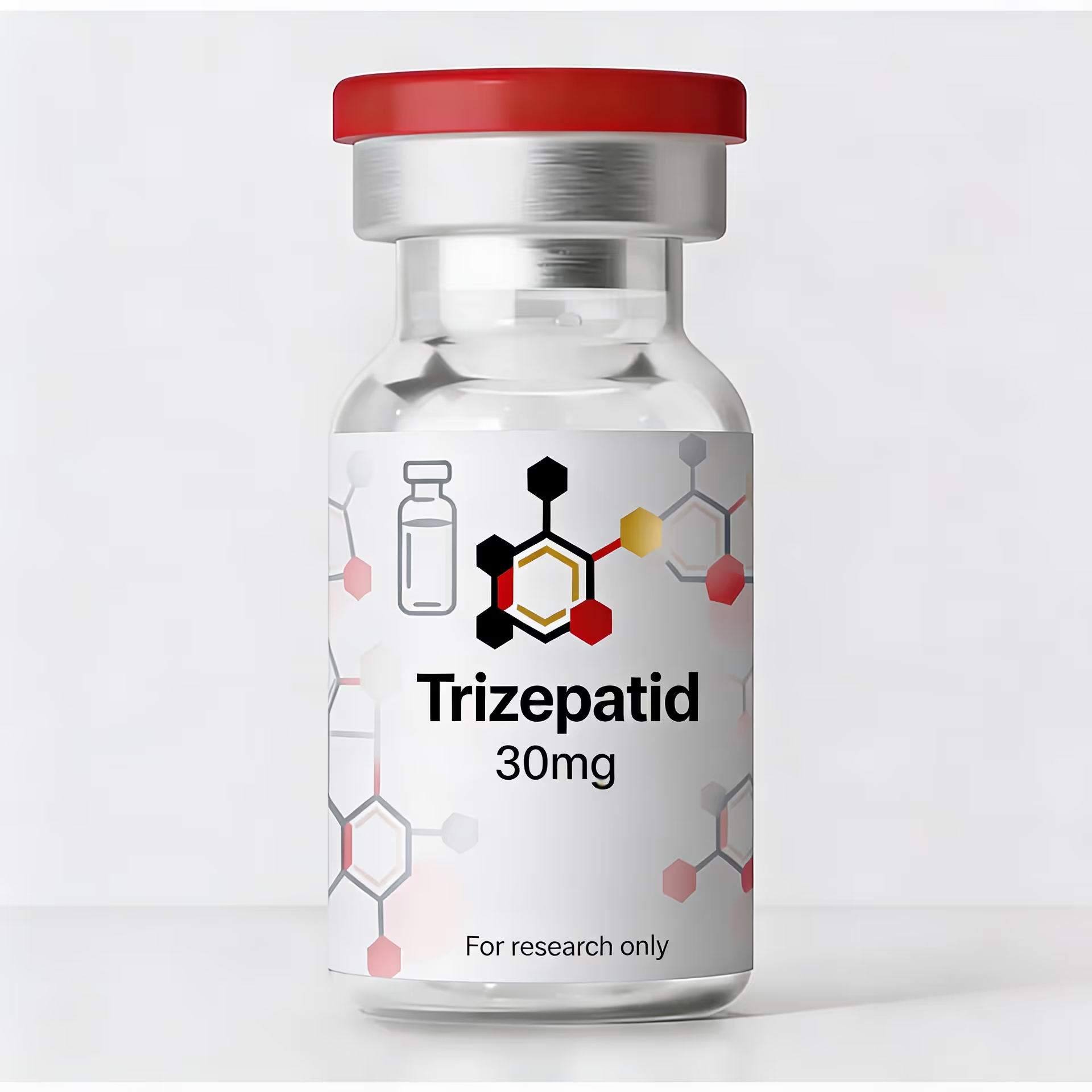
Tirzepatide is a powerful dual agonist (GIP and GLP-1) and is used for consistent weight management and metabolic optimization. It can noticeably reduce appetite and cravings while supporting better glycemic control.
Studies and practice often show a significant reduction in body weight and improvements in cardiometabolic markers – a „next-level“ approach to body composition and long-term metabolic goals.
Known combinations
Description
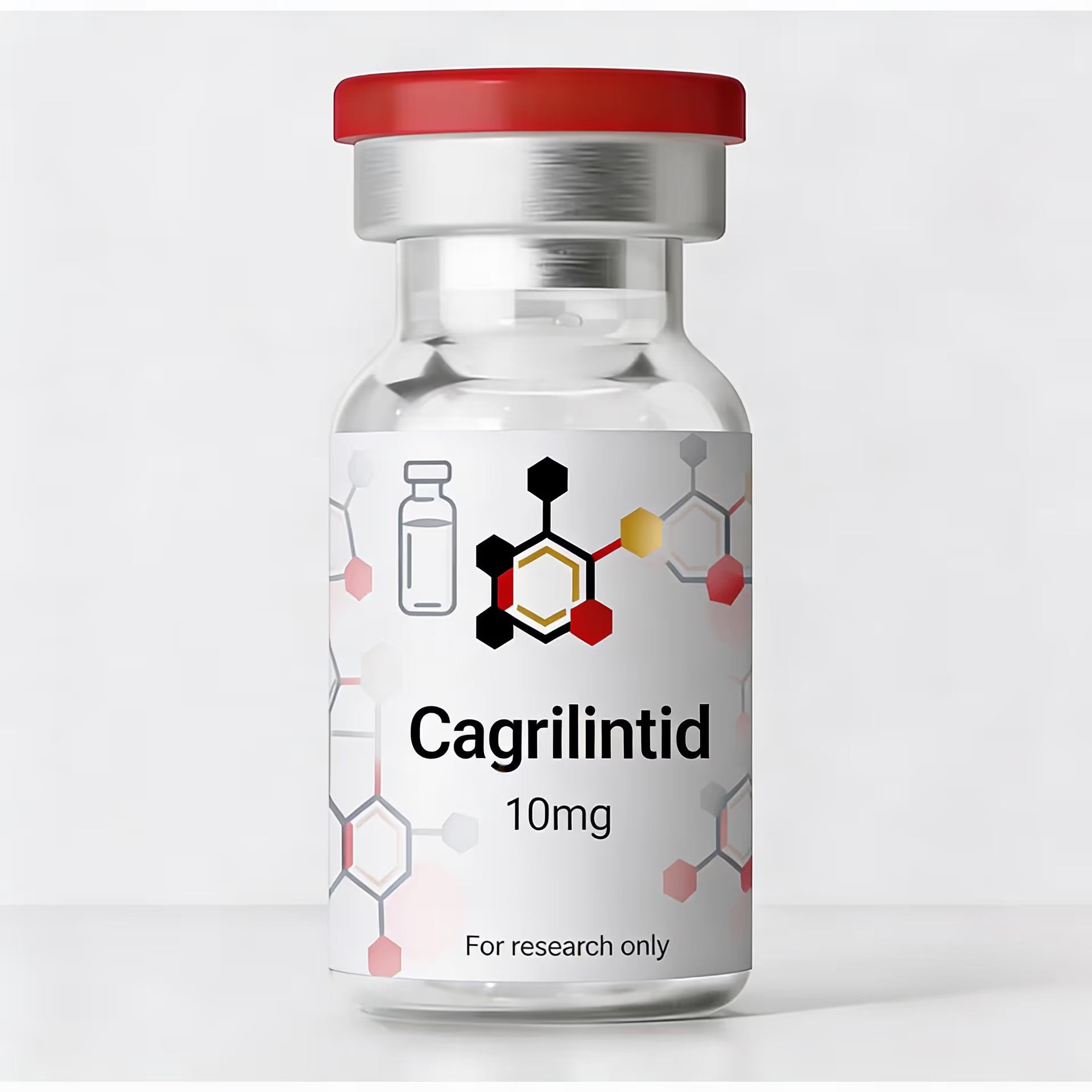
Cagrilintide is a long-acting amylin analogue that in studies aims to significantly increase satiety and „automatically“ reduce calorie intake. The focus is noticeably less hunger, better portion control and a predictable path to sustainable weight management.
The synergy approach with GLP-1 (e.g. semaglutide) is particularly interesting in order to further increase body weight and cardiometabolic markers.
Known combinations
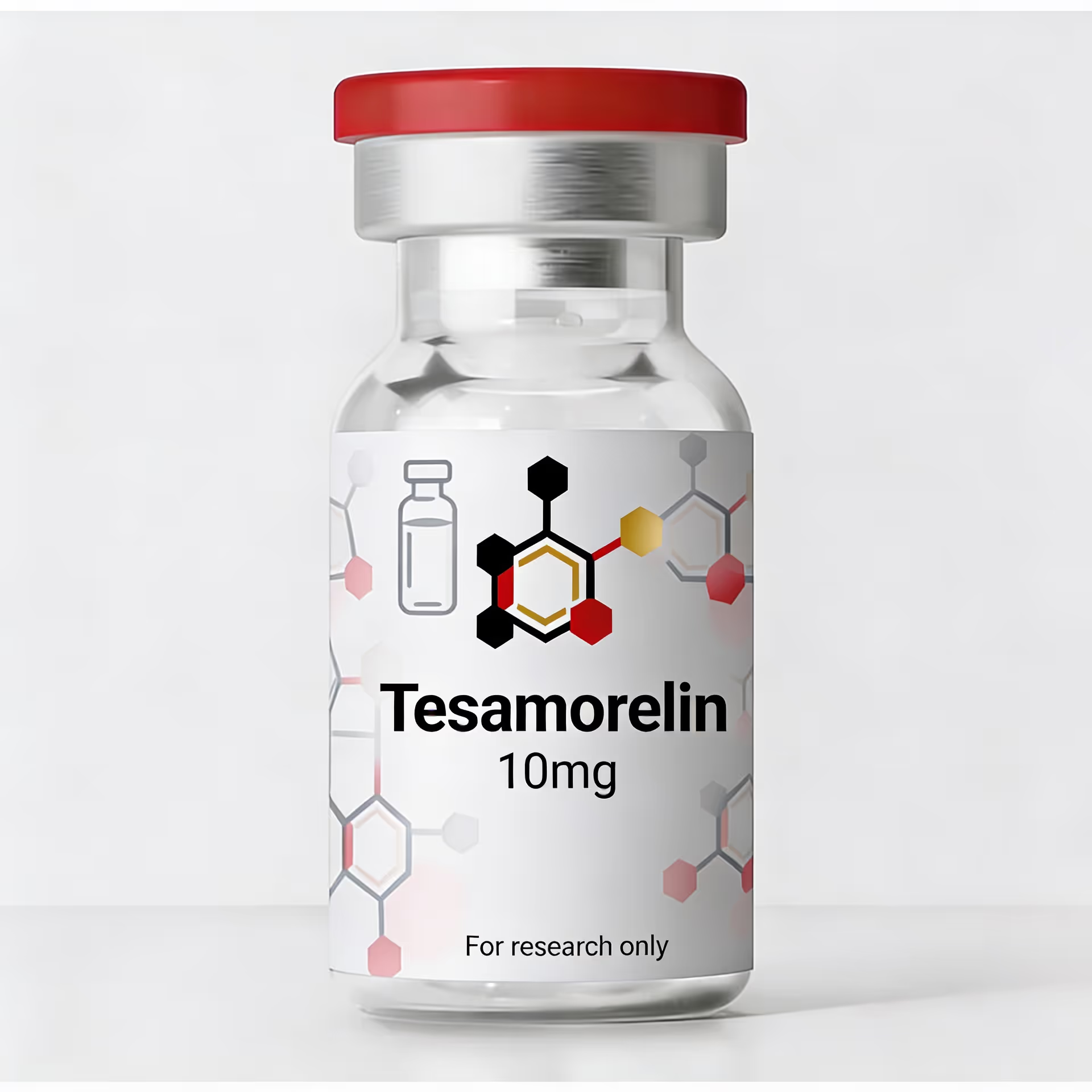
Description
Tesamorelin is a GHRH analogue that stimulates the body's own growth hormone release and can raise IGF-1 above it. In research and performance contexts, it is particularly exciting because of its focus on visceral fat and body composition: less „abdominal“ fat, potentially better metabolic markers, and a more physiological GH boost rather than direct GH administration.
Known combinations
Description
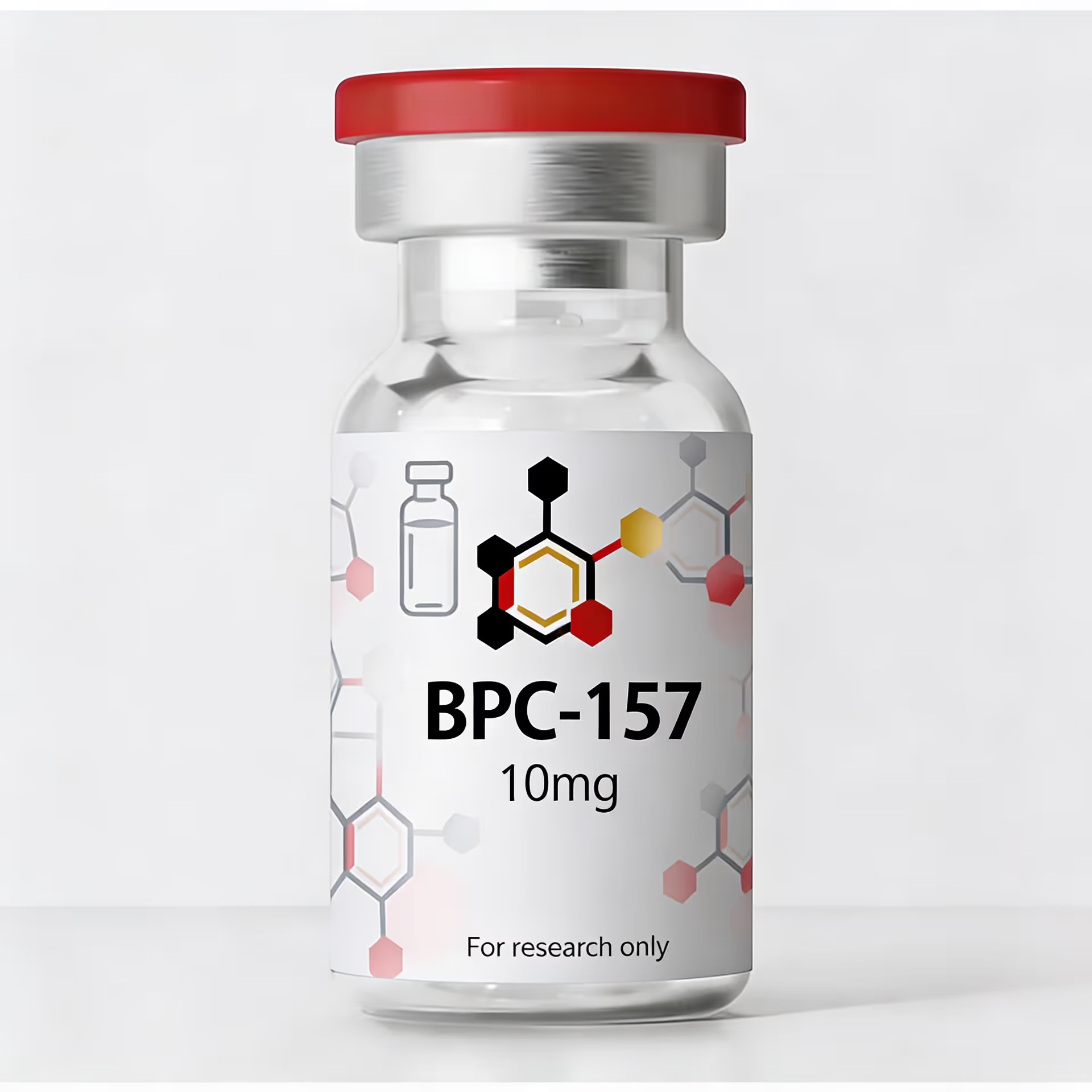
BPC-157 (a peptide fragment derived from a gastric protein) is discussed in research primarily as a „repair“ signal: the focus is on tissue regeneration, wound healing and the support of tendon, muscle and intestinal barrier processes.
Particularly exciting is the approach of modulating inflammatory and stress responses and promoting microcirculation/angiogenesis during healing phases – which is why it receives so much attention in recovery and stress management.
Known combinations
Description
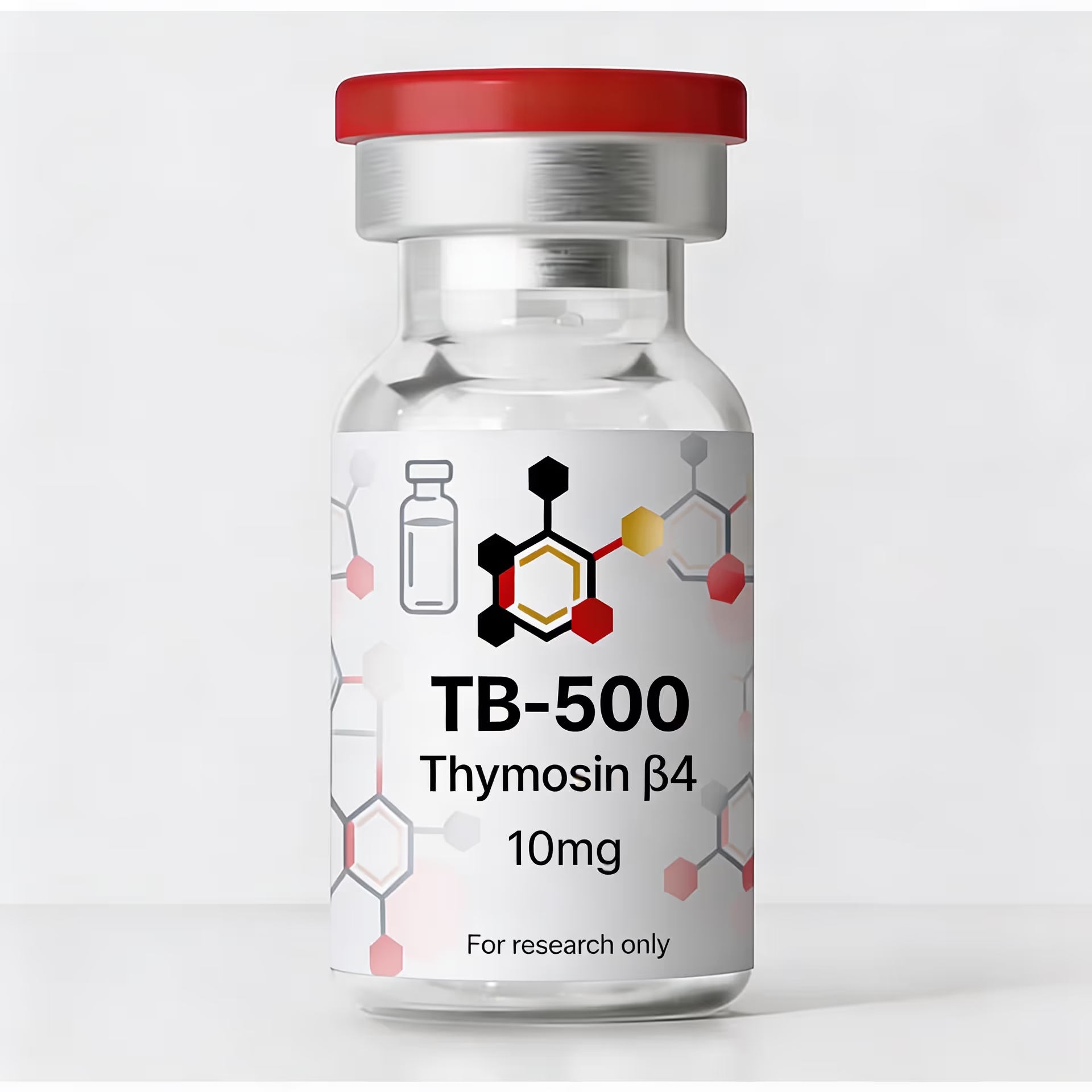
TB-500/Tβ4 is used in research as „Regeneration Toolkit“ traded: The focus is on cell migration, angiogenesis and the organization of actin processes – precisely the set screws that drive repair and remodeling in tissues.
It is particularly interesting in the recovery environment because in models it addresses signals related to wound healing, inflammation modulation and stress adaptation – with the aim of using healing windows more efficiently and accelerating the return to performance.
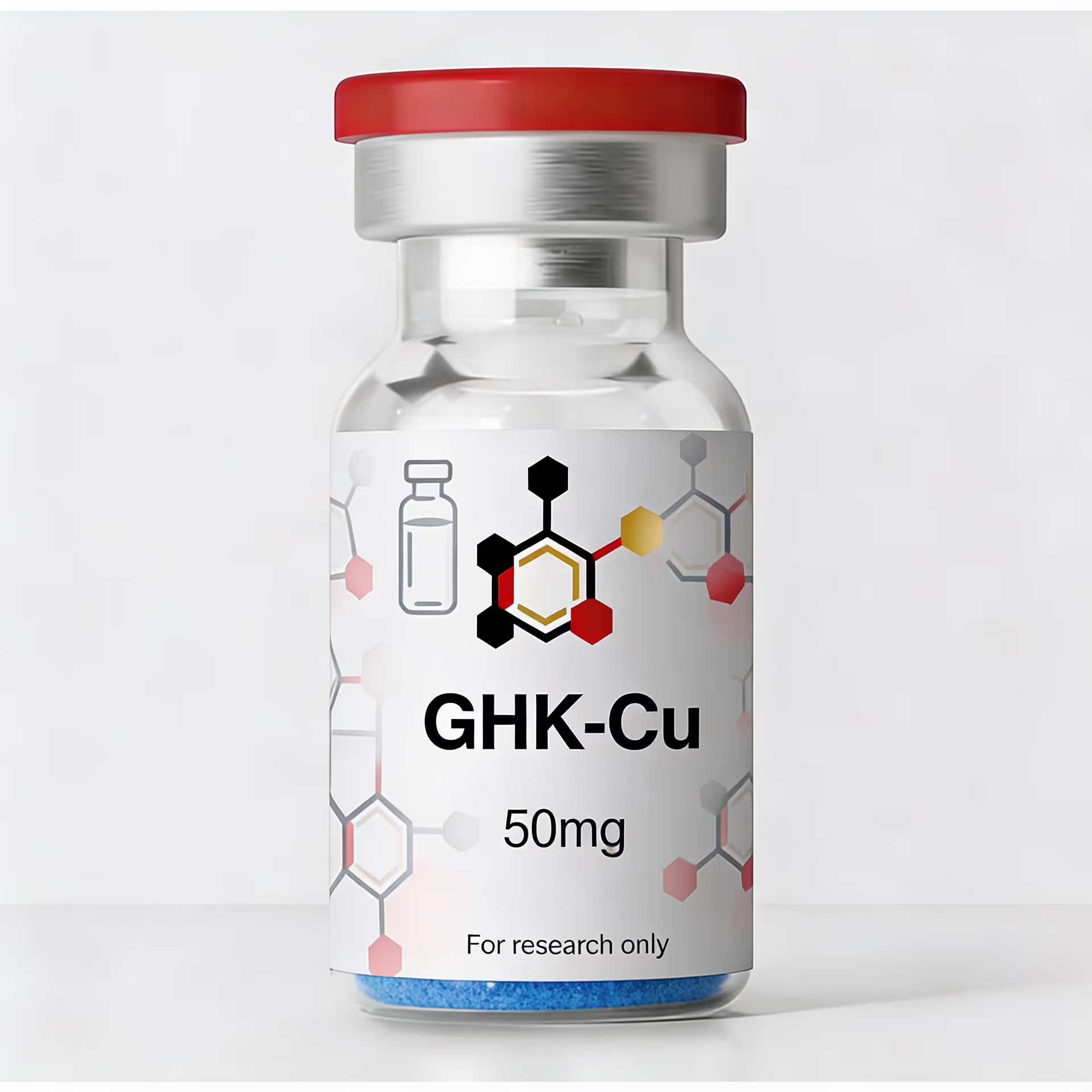
GHK-Cu (copper tripeptide) is a real „Skin recovery“-Classic: In research, it stands for support of collagen/elastin remodeling, better skin quality and a favorable signal profile around inflammation and tissue repair.
It is popular in anti-aging and hair/scalp concepts because it addresses regenerative processes in the skin environment and can thus push texture, firmness and regeneration „look“.
GLOW combines three „Regeneration & Aesthetics“-Signals: GHK-Cu as a skin quality driver for collagen/elastin remodeling and a calmer inflammatory environment, plus TB-500 (Tβ4) as a repair modulator for cell migration/angiogenesis and structural tissue remodeling, complemented by BPC-157 as a recovery focus for wound healing and barrier signals.
The stack concept aims for visible „fresher“ skin, faster recovery and a more robust tissue environment.
Description
The stack combines two levers for Growth hormone pulses: Mod GRF(1-29) sets the GHRH signal „above“, ipamorelin triggers the „release“ pulse via the ghrelin receptor (GHSR). The goal is a cleaner, self-contained pulse profile instead of a permanently elevated level.
Compared to HGH (exogenous growth hormone), GH is not replaced from outside, but rather one's own axis is stimulated: often positioned as „physiological“ because rhythm and feedback mechanisms are more likely to be preserved and the output depends more on individual pituitary function.
It is precisely this difference that makes the combo attractive in the performance/recovery narrative: focus on regenerative sensation, sleep quality, training recovery and body composition signals, without the typical „GH-on-top“ profile of direct HGH administration.
Known combinations
Description
MOTS-C is a mitochondria-derived peptide that is being researched as a „metabolic switch“: the focus is on energy balance, insulin sensitivity, stress resilience and cellular adaptation to stress. Particularly exciting is the „Exercise‑mimetic“ narrative from models, where MOTS-C can shift metabolic pathways towards more efficient glucose/fat utilization and better metabolic markers – an approach that attracts much attention in longevity and performance concepts.
Known combinations
description
NAD+ is considered the central „energy-currency“ cofactor of the cell and is in focus because it affects mitochondrial function, redox balance and DNA repair-associated signaling pathways (among others Sirtuins/PARPs) co-controlled.
In research and biohacking, the goal is to strengthen NAD+-dependent metabolic processes: more cellular resilience, better metabolic markers and a „clean“ energy drive – especially in healthy aging, recovery and performance protocols.
Known combinations
Description
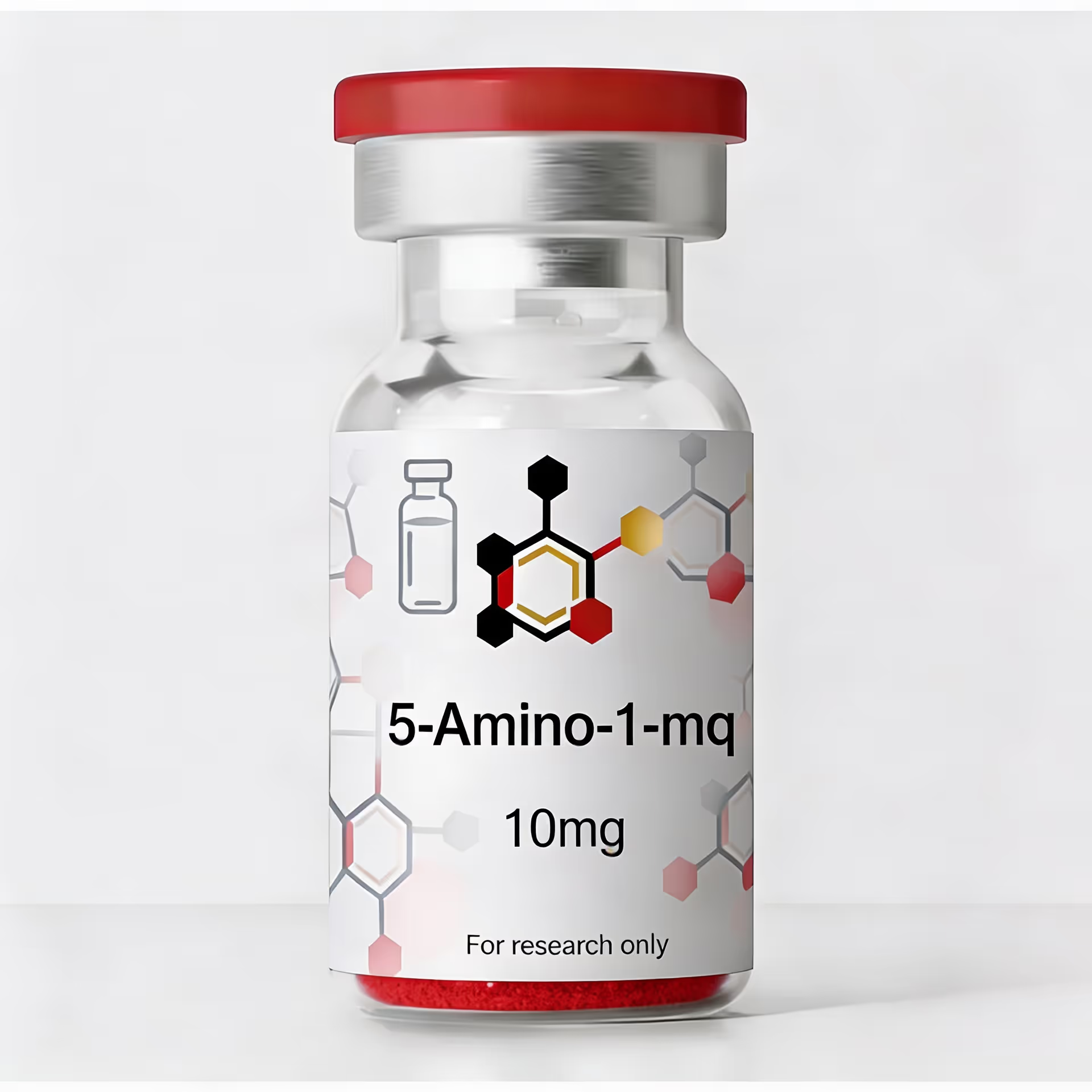
5-Amino-1MQ is being researched as an NNMT inhibitor – an exciting lever in the „metabolic“ range because NNMT helps shape cellular metabolism and methylation/energy pathways. In models, it is mainly associated with effects on adipose tissue, weight development and insulin sensitivity markers. This makes it interesting for body composition and longevity setups that want to focus on metabolic efficiency and „metabolic flexibility“.
Combining it with NAD+ strategies is particularly popular: the idea behind it is to indirectly „relieve“ NAD+-dependent metabolic processes and thus strengthen the NAD+ setup towards performance, body composition and metabolic flexibility.
Known combinations